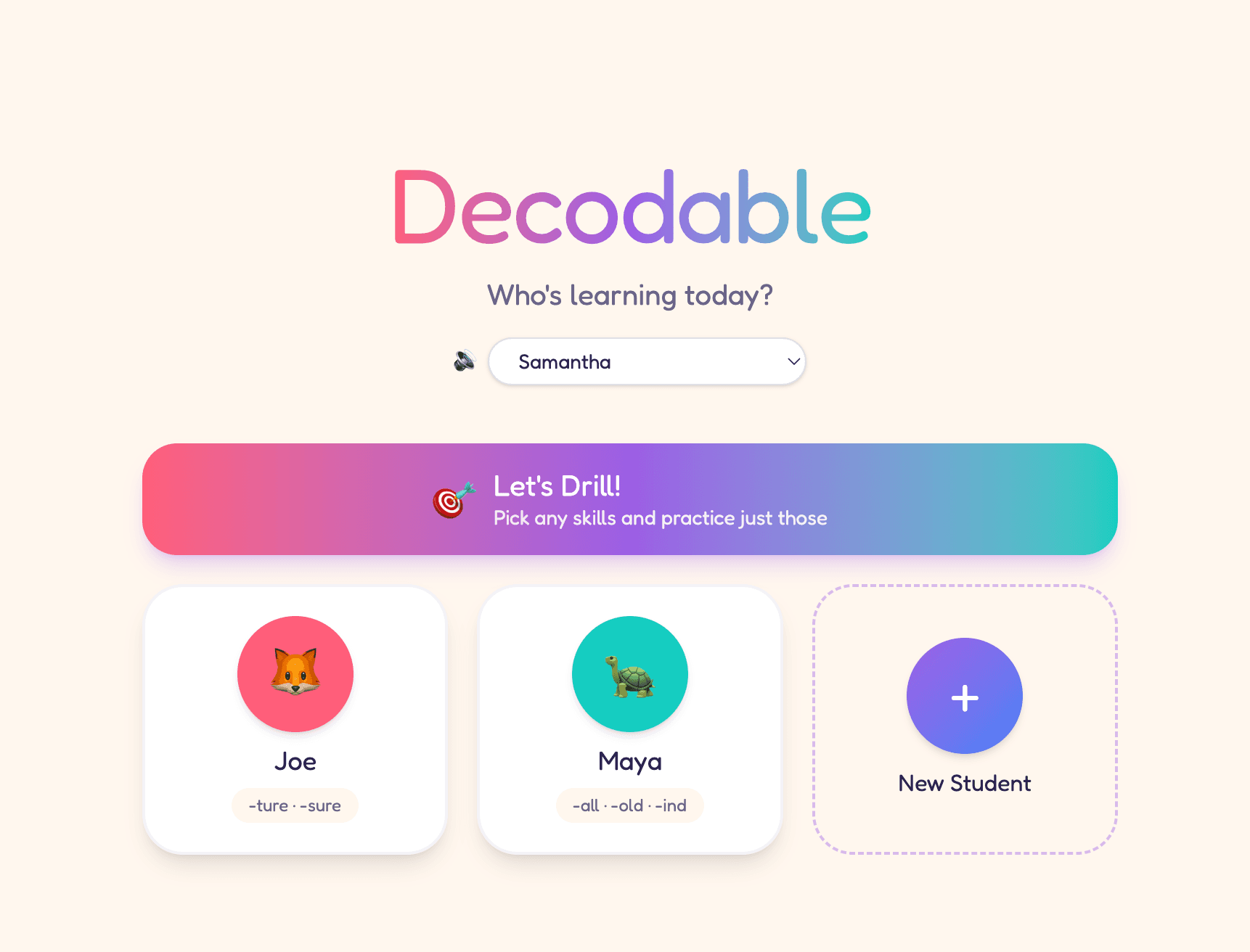
Decodable
Interactive phonics tools for building foundational reading skills, including blending drills and syllabification exercises.
Every student starts with an informal assessment and conversation with parents, and, when relevant, teachers, school professionals, or recommendations from a neuropsychological evaluation. We look at not just where a student is struggling, but why, and how to tailor instruction accordingly. This includes incorporating recommended learning accommodations and supports. Because a student's challenges and needs can change as they grow, we continually reassess and adjust.
From there, I build a curriculum around the individual student, sequenced to the specific skills the assessment surfaces and paced according to their mastery. Depending on their needs, this might include multisensory literacy practice, strategies for executive functioning, changes to their learning environment, or targeted test-prep techniques.
I combine the right mix of existing resources with bespoke tools designed for the student's particular challenges. When an off-the-shelf tool isn't enough, I build my own interactive manipulatives and activities to make abstract or tricky concepts more concrete. These tools are designed to work seamlessly over video, so the same individualized approach works for remote tutoring, too.
Here are a few examples of bespoke Next Iteration Learning tools, with adjustable levels and exercises that can be saved to individual student profiles and adapted as they progress.
Interactive phonics tools for building foundational reading skills, including blending drills and syllabification exercises.
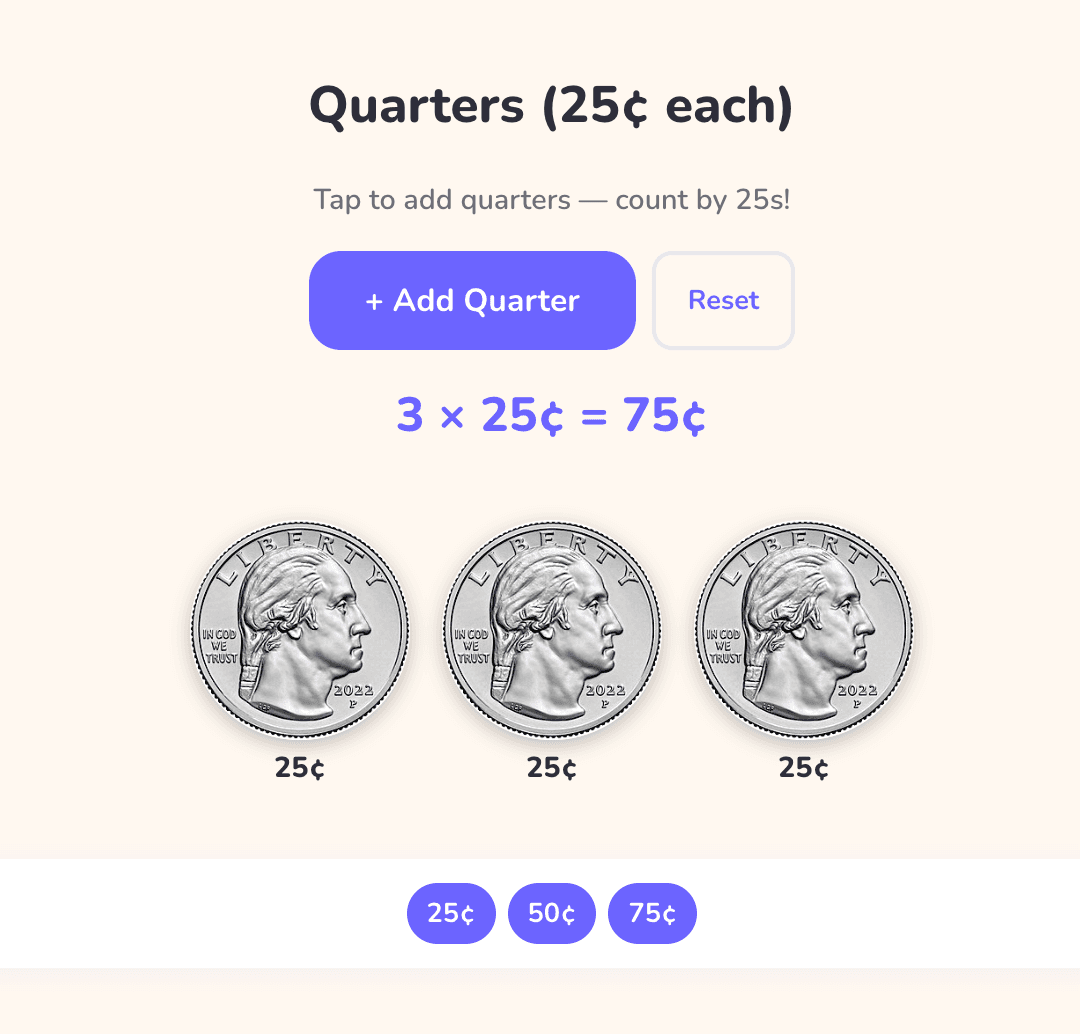
A quick daily drill focused on the multiplication facts a student has not yet automatized, with memorable visual cues that make practice more engaging and easier to recall.
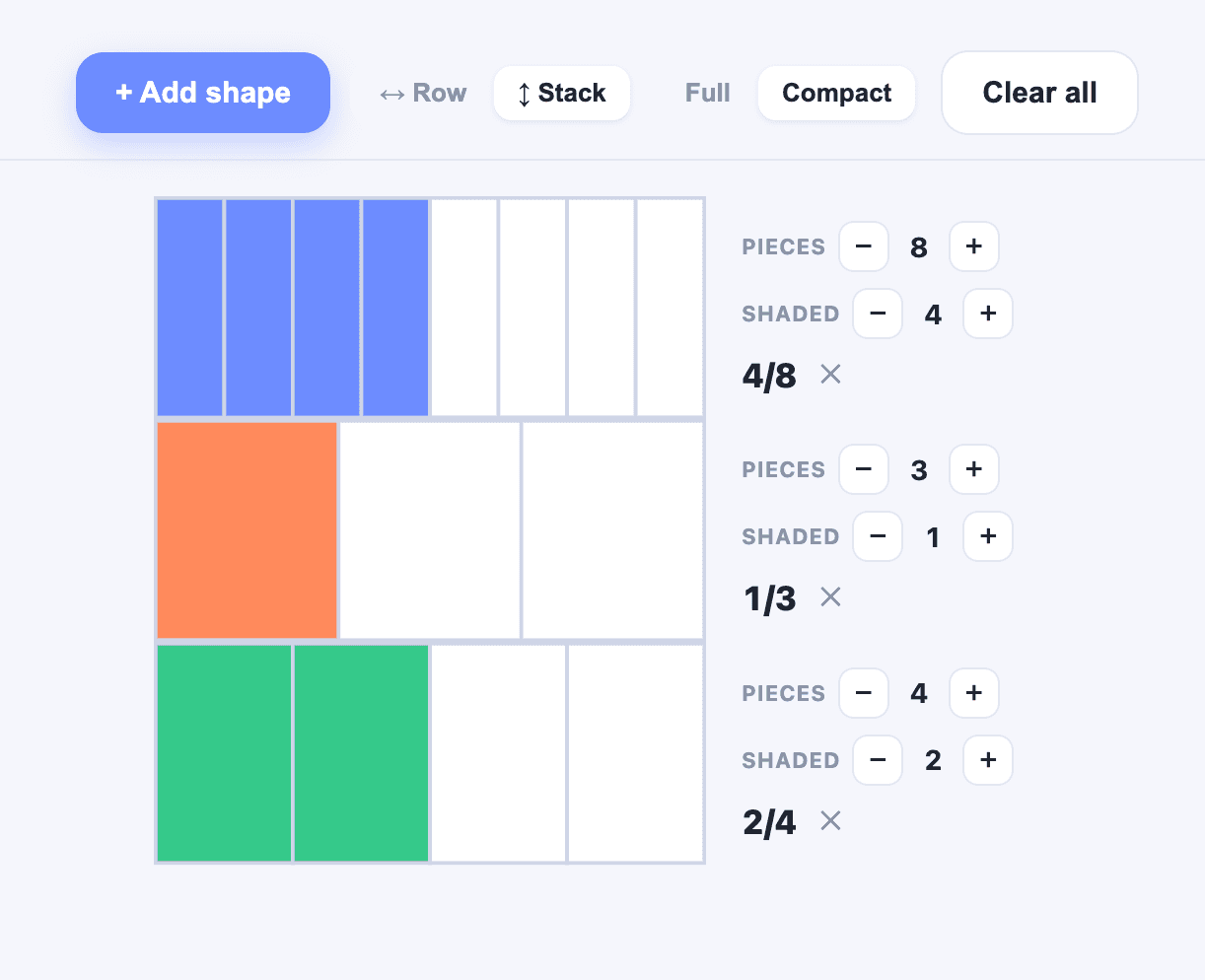
A hands-on visual model that lets students manipulate fractions directly, making it easier to compare fractions and practice fraction operations.